
Now Reading: The Gut-Brain Axis: Exploring Mental Health Through Functional Medicine
-
01
The Gut-Brain Axis: Exploring Mental Health Through Functional Medicine

The Gut-Brain Axis: Exploring Mental Health Through Functional Medicine

Did you know your gut and brain talk to each other every day? This powerful connection, known as the gut-brain axis, can significantly influence your mood, stress levels, and overall well-being. In this article, we’ll explore how functional medicine addresses the connection between digestion and emotions. You’ll discover how small changes in diet, lifestyle, and mindset can support better mental health through gut care. It’s time to understand your body’s inner conversation.
Your gut and brain are more connected than you might think. Scientists refer to this connection as the gut-brain axis. This link plays a significant role in shaping our emotional and mental well-being. Many people are now looking to functional medicine to improve both their gut health and mental well-being. This approach focuses on treating the root cause of health problems rather than just the symptoms. In this article, we’ll explore how the gut-brain axis affects mental health and how functional medicine can contribute to its improvement.
What is the Gut-Brain Axis?
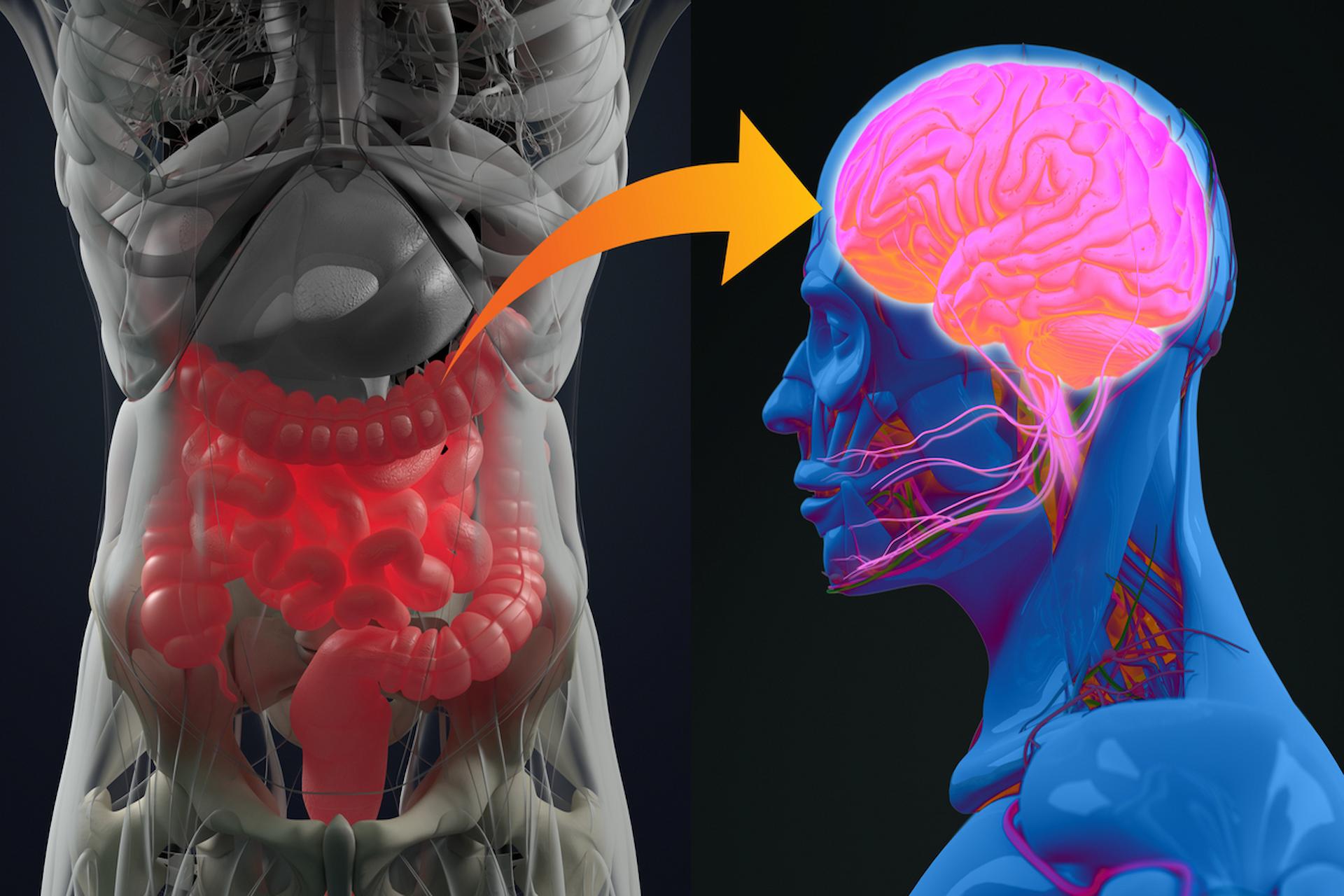
The gut-brain axis is a two-way communication system between the digestive system and the brain. It’s like a constant conversation happening inside your body. Your gut sends messages to your brain through nerves, hormones, and immune cells. Your brain replies in return.
Many people don’t realise that the gut has its nervous system. This is often referred to as the “second brain.” It helps regulate digestion and influences mood, sleep, and stress levels.
Studies now show that the gut-brain axis plays a role in mental health. When your gut is not healthy, you may experience increased anxiety, sadness, or stress. On the other hand, a healthy gut can lead to a calmer and clearer mind.
Why Gut Health Affects Mental Health
The link between gut health and mental health is becoming clearer. Here’s how your gut can impact your brain:
1. Gut Bacteria and Mood
Your gut is home to trillions of bacteria. These bacteria help you digest food, fight off illness, and produce essential brain chemicals like serotonin. Most of your body’s serotonin is made in the gut, not the brain.
When your gut bacteria are out of balance, you might experience low mood, brain fog, or irritability.
2. Inflammation and the Brain
If your gut is inflamed, harmful substances can pass into your bloodstream. This is often referred to as “leaky gut.” These substances may cause inflammation in the brain, which can lead to symptoms like anxiety or depression.
3. Stress and Digestion
Stress can slow down digestion, upset your gut bacteria, and increase stomach pain. At the same time, an unhappy gut can send stress signals back to your brain. This can lead to a cycle of stress and poor digestion.
How Functional Medicine Views the Gut-Brain Axis
Functional medicine views the entire body as a unified system. Instead of treating a single symptom, it asks, “What’s causing this problem?”
When someone has anxiety, depression, or other mental health issues, a functional medicine practitioner might start by looking at gut health. This can involve checking for food sensitivities, infections, or nutrient imbalances.
They may also explore aspects of your lifestyle, such as your sleep patterns, stress levels, and dietary habits. The goal is to support the body’s natural healing process by removing triggers and providing the body with what it needs to thrive.
Key Areas Functional Medicine Focuses On
Let’s look at a few ways functional medicine supports both the gut and the brain.
1. Nutrition for the Gut-Brain Axis
A diet rich in processed foods, sugar, and artificial additives can harm your gut bacteria. On the other hand, whole foods—like vegetables, fruits, nuts, seeds, and healthy fats—can feed your gut and your brain.
Tips:
- Eat more fibre from vegetables and fruits.
- Include fermented foods, such as sauerkraut or kefir.
- Drink enough water throughout the day.
- Avoid foods that upset your stomach or cause bloating.
2. Balancing Gut Bacteria
Functional medicine often includes a stool test to check your gut bacteria. If harmful bacteria or yeast are found, you may be given natural treatments to reduce them.
You may also consider taking probiotics or prebiotics to help rebuild healthy bacteria. A balanced gut microbiome helps calm inflammation and naturally boost mood.
3. Reducing Inflammation
Inflammation can affect both your gut and your mind. Anti-inflammatory foods and lifestyle changes can reduce this.
Helpful steps:
- Reduce your intake of sugar and fried foods.
- Use herbs and spices like turmeric or ginger.
- Engage in regular exercise, such as walking or yoga.
- Get enough sleep every night.
4. Managing Stress Levels
Chronic stress can damage your gut lining and alter your gut bacteria. That’s why stress management is a key part of any functional medicine plan.
Suggestions:
- Practice deep breathing or meditation.
- Spend time in nature.
- Keep a journal.
- Talk to someone you trust when feeling overwhelmed.
Signs Your Gut-Brain Axis Might Be Out of Balance
Are you unsure if your gut and brain are out of sync? Here are some signs to look out for:
- Frequent bloating, gas, or indigestion
- Mood swings or feeling down without a reason
- Trouble sleeping or feeling tired all the time
- Cravings for sugar or processed food
- Brain fog or difficulty focusing
- Anxiety that doesn’t improve with typical treatment
If you experience several of these, it may be time to look deeper, starting with your gut.
Creating a Plan for Gut and Mental Wellness
Improving your gut-brain axis doesn’t happen overnight. But with the right steps, you can feel better both mentally and physically.
Start with Small Changes
Even a single change can make a significant difference. Start by adding more fibre to your diet or drinking an extra glass of water each day.
Listen to Your Body
Pay attention to how your food choices and habits affect your overall well-being. Keep a journal if needed. This helps you learn what works best for your body.
Work with a Functional Practitioner
A trained professional can guide you with the proper tests and a personalised plan. They’ll help you address the root cause, not just the symptoms.
How Long Does It Take to See Results?
Everyone is different, but many people start to feel better within a few weeks. Improvements in digestion, energy, and mood are often the first signs. More complex issues may take several months to resolve. The key is to stay consistent and patient.
Why This Approach Matters Now More Than Ever
We live in a fast-paced world where stress, poor diet, and lack of sleep are everyday occurrences. Mental health struggles are on the rise. But more people are realising that a pill is not always the only answer.
Functional medicine offers a more natural, whole-body approach. It empowers you to take control of your health, starting from the inside out.
Conclusion
The gut-brain axis is a powerful part of your overall well-being. If your gut is unhappy, your brain often feels it too. Functional medicine provides a deeper understanding of why this occurs and offers guidance on how to address it.
By focusing on nutrition, stress, and gut health, you can start feeling better, both mentally and physically. It’s not just about treating symptoms. It’s about building lasting wellness from the inside out. Take small steps today and trust the process. Your gut and brain will thank you.