
Now Reading: Beyond the Braces – The Importance of Dental Orthodontics
-
01
Beyond the Braces – The Importance of Dental Orthodontics

Beyond the Braces – The Importance of Dental Orthodontics

Many patients visit their local dental practice with an appointment booked, never really thinking about the range of different skills and roles at play within the practice.
In fact, a dentist, orthodontist, and hygienist all do different things, have different skills, and offer different treatments, all in the name of perfecting each patient’s smile.
It is only when you combine and layer these various treatments and lines of dental work that you can achieve and maintain a smile to be proud of. And it all stems from the building blocks of good dental orthodontics.
What Does an Orthodontist Do?
An orthodontist is focused on diagnosing, correcting, and preventing issues which impact the teeth’s structure, alignment, layout, and position. Often referred by a dentist, orthodontic work deals with the underlying structure of teeth and how well aligned they are, impacting the way a patient bites, communicates, and smiles. They also counter misalignment that causes pain and discomfort, particularly around overcrowding along the jawline.
But it’s not all straightforward.
One of the most common misconceptions relating to orthodontic work is the belief that braces are for young people and teenagers. Believe us when we say, it’s not just the teenage teeth, overcrowding and wonky smiles that fill orthodontic appointments.
More adults than you would expect visit their local practice seeking orthodontic work, looking for solutions beyond the fixed braces and wired teeth of the youth. Which is where the diversity of orthodontic treatment options comes into play.
Popular Orthodontic Treatments
Fixed braces are considered a traditional form of orthodontic treatment, using metal boxes which are stuck to the teeth and connected by a wire which is increasingly tightened as time goes on. They are the best option for young patients as they offer a dentist-controlled treatment that is safe for growing teeth.
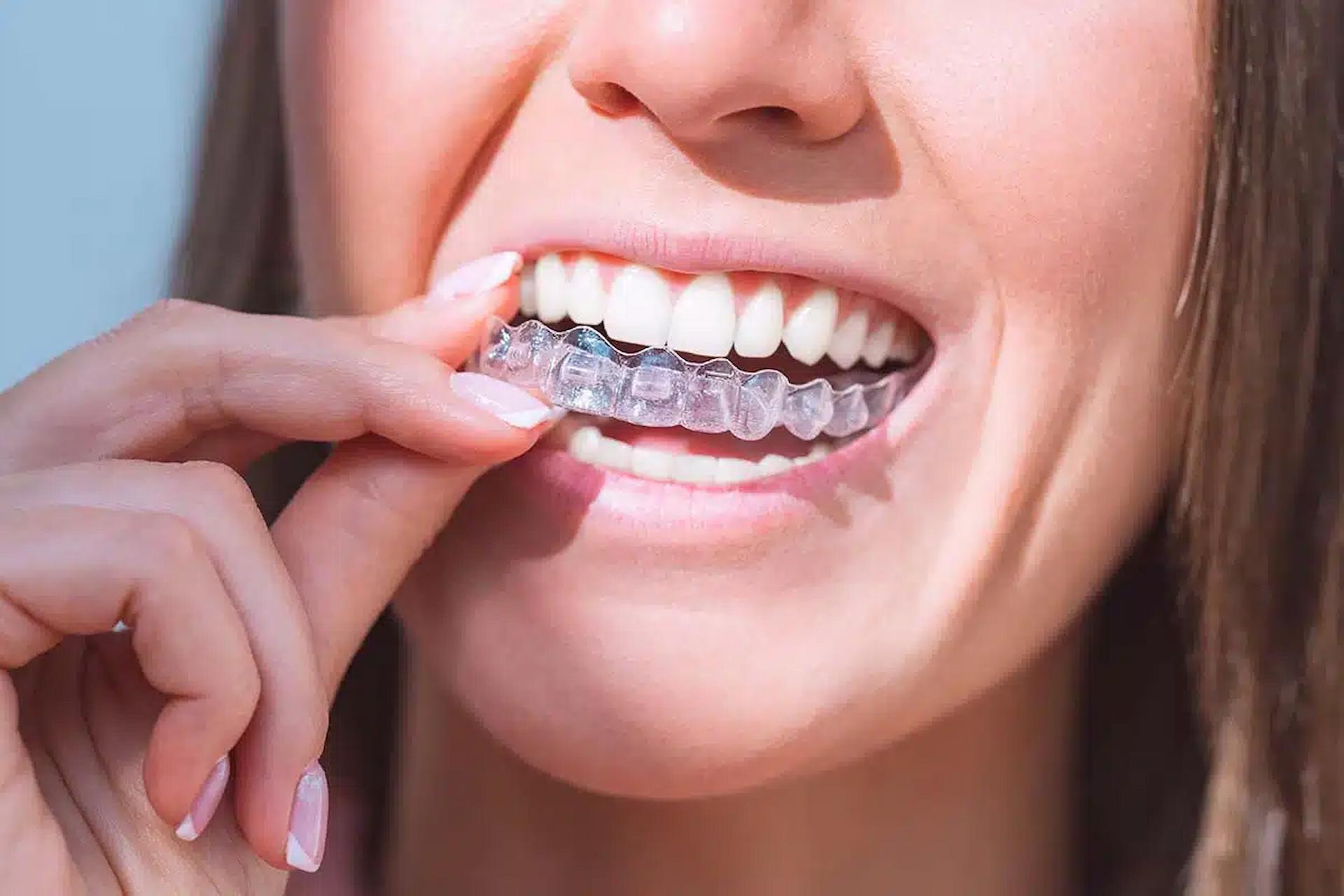
For adults, however, the visible nature of these braces is often enough to put them off seeking aligning treatment. It’s for this reason that Invisalign was launched, using a set of clear aligners that track the gradual movement of teeth into a straighter and more aligned structure.
Clear aligners is the preferred treatment option, supervised by orthodontists but relying on self-management and each patient’s commitment to the process. Not only do these aligners seamlessly blend into your natural look, but they also offer the convenience of being removable for continued dental hygiene and for eating.
Do You Need Orthodontic Work or Intervention?
The work of an orthodontist is separate from that of a dentist. While dentists deal with the overall structure and health of teeth, diagnosing areas of concern and ultimately recommending orthodontic intervention when it’s needed, it’s orthodontists who take action and help align or straighten a wonky smile.
If you’re struggling with your image, worried about misshapen teeth, or find that misalignment is affecting everyday tasks like eating and communicating, our advice is to schedule a dental appointment and discuss orthodontic options and treatment plans with them.