Now Reading: The Importance of Staff Training in Quality Care Homes
-
01
The Importance of Staff Training in Quality Care Homes


The Importance of Staff Training in Quality Care Homes

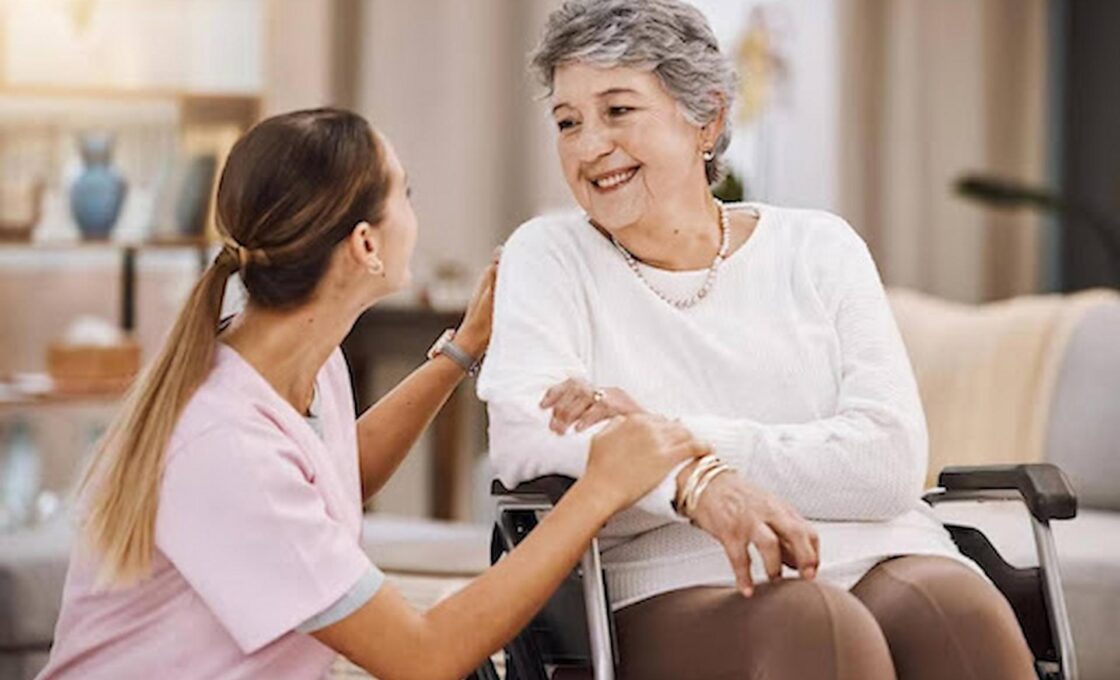
Staff training is essential for creating safe, supportive, and high-quality care environments. Skilled teams deliver confident and compassionate support that enriches daily life for residents. With the right knowledge and guidance, carers help residents feel respected, understood, and valued, ensuring dignity and wellbeing remain at the centre of every moment.
Providing exceptional care is not simply about modern buildings or comfortable facilities. True quality depends on well-trained, confident, and knowledgeable staff who understand how to care with respect, empathy, and professionalism. Training prepares carers to support residents safely and sensitively, while helping families feel reassured that their loved ones are in capable hands. A strong training culture, seen in respected settings such as Heathfield Court care home, demonstrates how continuous development shapes the quality and reliability of everyday support.
Ongoing professional learning strengthens standards across the entire care environment. It ensures that teams are confident when managing routines, supporting emotional needs, and responding to unexpected situations. Training also builds trust by showing a clear commitment to excellence and accountability. Structured development programmes help carers grow into skilled practitioners who understand the importance of dignity, safety, and meaningful connection in every interaction.
Why Staff Training Matters in Quality Care Homes
Training lays the foundation for safe, reliable, and consistent care. Without up-to-date knowledge, standards can decline, safety may be compromised, and uncertainty may increase. High-quality training encourages teamwork, strengthens communication, and improves confidence among staff.
Key reasons training is essential
- Improves safety and reduces risk.
- Enhances communication and understanding.
- Promotes dignity and personal choice.
- Strengthens professional confidence.
- Supports regulatory compliance.
Training ensures that every resident receives thoughtful, reliable support that takes individual needs into account. It also helps staff develop the resilience needed to manage the emotional and practical challenges of care work.
Supporting Personalised and Compassionate Care
No two residents are the same. Training helps carers understand personal preferences, cultural differences, and emotional needs. This enables them to adapt support thoughtfully, helping residents feel seen and respected rather than simply cared for. Well-trained carers are able to recognise subtle changes in behaviour or wellbeing and act quickly to prevent issues from escalating.
Training also emphasises the importance of empathy, privacy, and meaningful interaction. When residents feel understood and valued, their confidence, comfort, and emotional wellbeing improve significantly.
Improving Safety and Emergency Response
Safety must always come first in care homes. Comprehensive training prepares staff to handle emergencies calmly and correctly, understand medication processes, maintain infection control standards, and use equipment safely. Knowledge reduces fear and uncertainty, replacing it with organised and well-coordinated responses.
Core safety training areas
- Correct moving and handling techniques.
- Health and hygiene protocols.
- Medication procedures and documentation.
- Fire safety, first aid, and emergency planning.
Strong safety training protects residents from avoidable harm and reassures families that their loved ones are secure.
Building Strong Communication Skills
High-quality care depends on effective communication. Staff must speak clearly, listen patiently, and adjust communication styles based on individual needs—especially when supporting people with memory concerns, hearing challenges, or limited speech. Communication training helps carers understand tone, pace, body language, and emotional cues.
Good communication prevents misunderstandings, reduces anxiety, and builds stronger relationships within the home. It also supports open dialogue with families and improves teamwork across departments.
Supporting Staff Wellbeing and Retention
Care work is emotionally and physically demanding. Training increases confidence and reduces stress, helping staff feel supported and prepared rather than overwhelmed. When people feel valued and capable, they are more motivated and committed to their roles.
Homes that invest in training typically experience stronger staff loyalty, higher morale, and reduced turnover. This means residents benefit from greater consistency and stronger bonds with the team.
Encouraging Professional Development and Leadership
Training opens opportunities for career growth, specialist expertise, and leadership development. Carers who progress professionally bring valuable skills back into the home, inspiring others and improving the standard of care provided. This contributes to a positive, forward-thinking culture.
Continual development also ensures that care practices stay updated as regulations, expectations, and resident needs evolve.
Strengthening Trust With Families and Communities
Families rely on reassurance that their loved ones receive safe, compassionate, and skilled support. Homes that prioritise training demonstrate responsibility, professionalism, and long-term commitment. This builds strong community relationships and strengthens public confidence.
Visible investment in training shows that the organisation values both residents and staff, creating a positive reputation built on credibility and trust.
Final Thoughts
Staff training is essential to delivering excellent care. It promotes safety, supports personalised interaction, enhances communication, and strengthens trust across the whole care environment. Residents benefit from compassionate support, families gain peace of mind, and staff feel confident and valued in their roles. High standards of professional learning help create care settings where dignity, comfort, and wellbeing are protected every day. This commitment to training contributes to the strong reputation and culture of homes such as Heathfield Court care home, where continuous improvement ensures that every individual receives exceptional and respectful care.